Fire safety is one of the most important parts of facility management for any residential or commercial property. A fire can start at any time due to electrical faults, human errors, or environmental factors, so every building must stay prepared. The best way to reduce risk is to install the right fire safety equipment and maintain it regularly. These tools help detect early warning signs, control flames, support safe evacuation, and protect people and property.
This article explains the essential fire safety equipment that every facility should have, along with its purpose, placement needs, and compliance requirements in India. By the end, you will understand how each tool works and how to build a strong and compliant fire protection plan for your building.
Why Every Business Needs Essential Fire Safety Equipment
Fire safety is more than simply installing extinguishers. Modern facilities require integrated protection systems that detect hazards early, notify occupants, control the spread of fire, and support safe evacuation during emergencies.
The right fire safety equipment helps businesses:
-
Detect fire hazards at an early stage.
-
Protect employees and visitors.
-
Reduce property damage.
-
Ensure regulatory compliance.
-
Improve emergency preparedness and response.
Selecting the right combination of equipment based on building type, occupancy, and operational risks is essential for creating a safe working environment.
Essential Fire Safety Equipment Every Facility Should Have
1. Fire Extinguishers
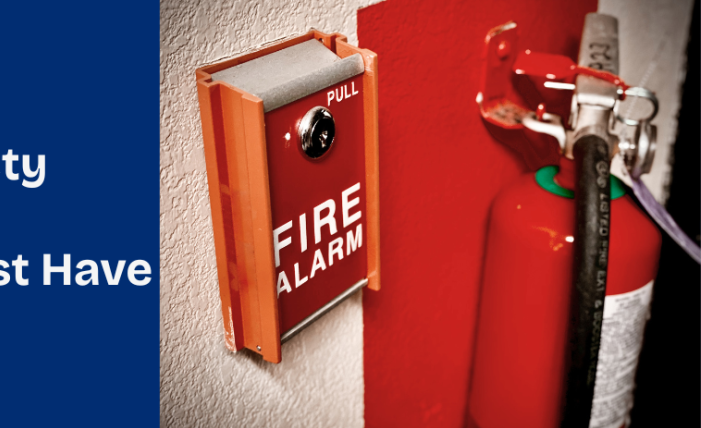
Fire extinguishers are the first line of defense against small fires. Available in different variants for Class A, B, and C fires, they allow occupants to suppress fire quickly before it escalates.
Proper placement, clear signage, and regular maintenance are essential to ensure they remain effective during emergencies.
2. Fire Alarm Systems
Modern fire alarm systems detect smoke, heat, or flames and immediately alert building occupants through audible and visual notifications.
Advanced systems can also integrate with building management systems to trigger emergency responses such as elevator recall, ventilation control, and automatic door release.
3. Fire Sprinkler Systems
Automatic sprinkler systems activate when temperatures exceed predetermined levels, helping suppress fires before they spread.
Different sprinkler configurations—including wet pipe, dry pipe, pre-action, and deluge systems—can be selected based on facility requirements and risk profiles.
4. Emergency Exit Signage & Lighting
During fire emergencies, power failures and smoke often reduce visibility.
Emergency lighting and illuminated exit signage guide occupants toward safe evacuation routes, minimize panic, and improve evacuation efficiency even during complete power loss.
5. Smoke Detectors
Smoke detectors provide early warning by detecting airborne smoke particles before visible flames develop.
Modern facilities often use interconnected smoke detector networks that activate alarms throughout the building, allowing faster evacuation and emergency response.
6. Fire Hose Reels & Hydrant Systems
Fire hose reels and hydrant systems provide continuous water supply for controlling larger fires that exceed extinguisher capacity.
Proper installation, regular pressure testing, and routine inspections ensure reliable performance whenever emergencies occur.
7. Public Address Systems
Public address systems allow organizations to communicate evacuation instructions, emergency updates, and safety announcements clearly throughout the facility.
Many modern systems also include battery backup to remain operational during power failures.
8. First Aid & Emergency Kits
Emergency response does not end after evacuation.
Well-equipped first aid kits containing burn treatment supplies, oxygen masks, flashlights, emergency communication devices, and medical essentials provide immediate assistance until professional responders arrive.
Legal Fire Safety Requirements for Businesses in India
1. National Building Code (NBC)
The National Building Code of India establishes comprehensive fire safety standards covering construction, fire protection systems, emergency exits, and maintenance requirements for commercial and residential buildings.
2. Mandatory Fire Safety Installations
Buildings above specified height limits must install approved fire alarm systems, extinguishers, emergency exits, and other mandatory fire protection equipment while obtaining the required Fire No Objection Certificate (NOC).
3. Building-Specific Compliance
Fire safety requirements vary depending on building size, occupancy, and purpose.
Hospitals, hotels, factories, commercial buildings, and high-rise structures often require advanced fire protection systems such as sprinkler networks and hydrant installations.
4. Factories Act, 1948
Industrial establishments must comply with Section 38 of the Factories Act, ensuring adequate fire prevention measures, emergency exits, and employee safety arrangements.
5. State Fire Safety Regulations
Many Indian states implement additional fire safety regulations that complement national standards and impose further compliance requirements for commercial establishments.
6. Fire No Objection Certificate (NOC)
Businesses must obtain Fire NOCs from local fire authorities after installing approved fire safety systems and successfully completing inspections before occupancy approvals are granted.
How S&IB Supports Business Fire Safety
1. Comprehensive Fire Risk Assessment
S&IB evaluates facilities to identify fire hazards, assess existing systems, and recommend suitable fire protection solutions based on operational risks.
2. End-to-End Equipment Installation
From planning and system design to procurement, installation, testing, and compliance verification, S&IB delivers complete fire safety implementation services.
3. Routine Maintenance & Compliance
Regular inspections, preventive maintenance, and compliance audits ensure fire safety equipment remains fully operational throughout its lifecycle.
4. Fire Safety Training
S&IB provides emergency preparedness programs covering evacuation procedures, equipment handling, emergency response protocols, and fire safety awareness for employees.
5. Integrated Fire Protection Solutions
By combining active fire protection systems, passive safety measures, evacuation planning, and regulatory compliance, S&IB delivers comprehensive fire safety solutions tailored to each facility.
 Help Desk